
Intersection traffic lights at intersections are usually red, yellow, and green, with occasional subtle variations. For what reason? Qixiang Traffic, a traffic signal system manufacturer, will give you an overview.
Since the 1830s, intersection traffic lights have been a ubiquitous part of our everyday existence. In 1920, intersection traffic lights with red, green, and yellow colors were introduced to Detroit’s highways. Railway signalling systems served as the model for this system. In the following decades, numerous intersection traffic lights of a similar design appeared on highways, but their colors were not consistent. American highways were privately run at the time, and drivers were definitely confused by the different colors of intersection traffic lights used on different sections. In order to ensure uniformity and standardization of traffic signals, the Federal Highway Administration published a standardized traffic control device manual in 1935 that explicitly stated that red, green, and yellow lights were the typical configuration.
Every nation and region has its own set of regulations regarding the proper use of intersection traffic lights, despite the fact that they are present on every street. For instance, when pedestrians cross the street, intersection traffic lights in my country flash green, red, yellow, and flashing yellow, whereas in Europe, the typical sequence is green, flashing yellow, yellow, and red. Green, yellow, flashing yellow, red, and alternating flashing yellow and red lights are used in Germany and the Czech Republic. Additionally, some cities, like the well-known traffic light figures in Berlin, design their pedestrian intersection traffic lights to resemble walking or motionless human figures.
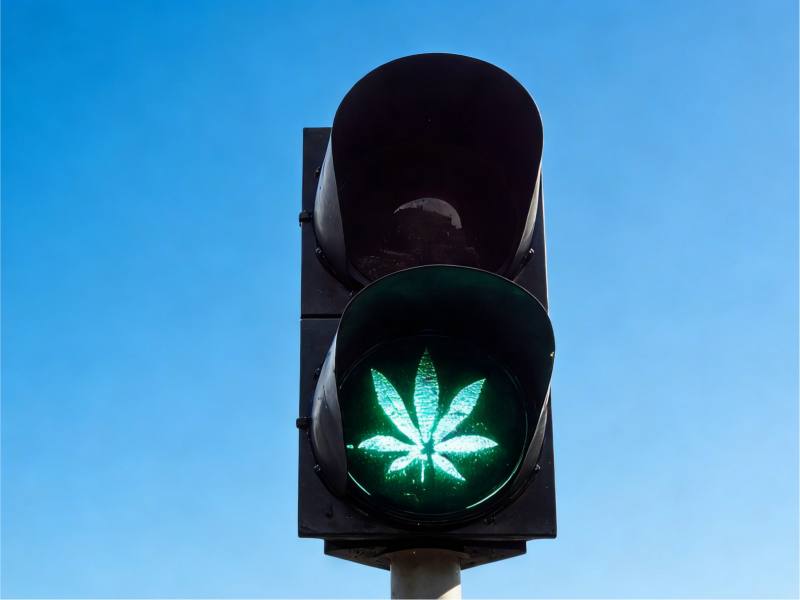
1. Cultural Inequalities
While it is generally accepted that green lights should be used when moving and red lights should be used when stopping, some countries have cultural differences when it comes to color selection. For instance, its green lights may have a bluish tint to adhere to linguistic conventions because green in Japan is frequently referred to as “cyan” (which includes the blue-green range in Japanese).
2. Strategy and Administration
a. Historical and Cultural Factors: When planning, emerging cities employ state-of-the-art ideas and technologies, selecting new types of intersection intersection traffic lights; various cities create different types of intersection intersection traffic lights according to their distinctive features.
b. Management Philosophy and Goals: While some cities prioritize traffic safety by extending buffer times and improving warning systems, others prioritize traffic efficiency by installing intersection intersection traffic lights to boost vehicle speed and flow.
3. Progress in Implementing Policies
Regional variations exist in intersection traffic light design and operation because traffic management departments implement policies and promote new technologies at different rates.
Traffic signal system manufacturer Qixiang Traffic welcomes customers from all over the world to customize their own intersection traffic lights! You can design and alter every aspect of the model, from the control method to the light body material and display module, whether it is a custom model for particular road sections, a highway-specific model, or a standard intersection model.
Post time: Jan-27-2026


