
To put it briefly, smart transportation is the application of information technology, electronic technology, sensor technology, and systems engineering technology to the road transportation system. This strengthens the relationship between users, roads, and vehicles, creating a ground transportation system that is accurate, safe, and effective. Qixiang Traffic will walk you through the uses of smart transportation today.
1. Road Traffic Monitoring:
The monitoring center has real-time access to data on traffic conditions at every node. Under normal circumstances, this reduces the workload of traffic police patrols and lowers management costs. In abnormal situations, it can retrieve images of the scene immediately after receiving an alarm, making full preparations for emergency response.
2. Electronic Police and Checkpoints:
Electronic police are a measure to regulate traffic safety and driving order at intersections and road sections and avoid accidents. Checkpoints are more significant for the safety management of routes and areas. Overall, the role of electronic police and checkpoints is reflected in urban safety management and the regulation of social order.
3. Traffic Signal Control:
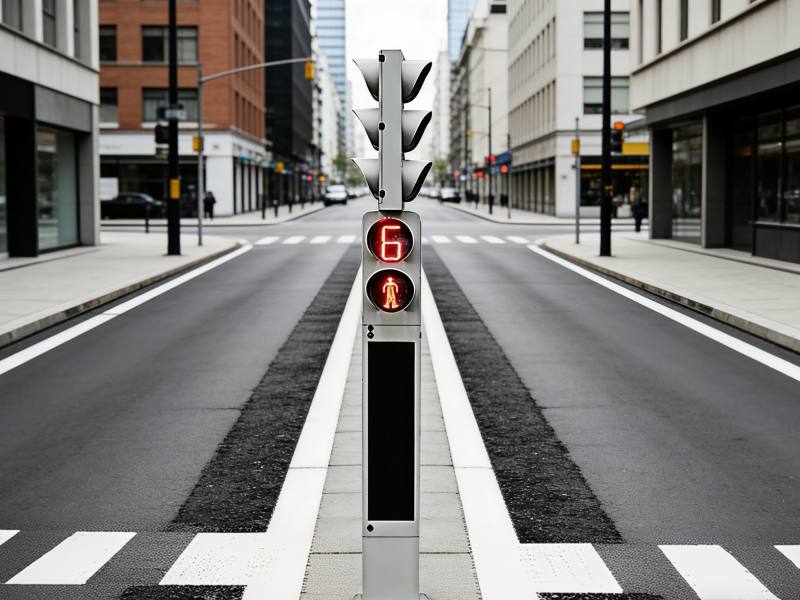
Strictly speaking, traffic light control predates intelligent transportation systems. Today, intersection signal control is increasingly becoming a standard feature at urban road intersections. Its role in cities is to regulate the traffic order of motor vehicles and pedestrians, and ensure the safety of intersections.
4. Traffic Information Collection and Guidance:
By collecting real-time road network data and processing it into status information, this is used to provide traffic conditions and route selection for in-vehicle navigation. This information assists drivers in selecting alternate routes in the event of sporadic traffic jams. However, when there is frequent congestion or when several routes are congested at once, its effectiveness is negligible. All things considered, the primary purpose of traffic information gathering and guidance is to give travelers travel references, help them choose a route, give managers access to urban traffic data, and support their decision-making during planning and management.
5. Parking Guidance:
By helping drivers locate appropriate parking spots, this raises the quality of parking services. It also helps avoid empty runs and reduces carbon emissions.
6. Integrated Transportation Information Platform:
An integrated transportation information platform is a branch of urban information. It mainly gathers various traffic-related information, processes it, and applies it. Therefore, the role of a comprehensive transportation information platform in a city is manifested in providing intellectual support for urban development and management; data-driven decision-making is the most powerful approach.
7. Smart Public Transportation:
This refers to the intelligentization of public transportation, including real-time GPS positioning of buses to track their routes, optimized bus scheduling, rational vehicle allocation, real-time bus arrival information dissemination at bus stops, and information services such as bus transfer inquiries via the internet and other smart terminals.
8. Electronic Toll Collection (ETC):
It is becoming more and more clear that ETC can increase highway capacity, ease traffic at toll booths, and encourage energy efficiency and emission reduction.
9. The Vehicle-to-Everything (V2X) network:
It is primarily developed and used in communication technology by automakers; there are currently no truly comprehensive V2X systems. As a result of its advancement and use, cities will benefit from improved vehicle-to-vehicle communication and more opportunities for the gathering and exchange of traffic data.
10. Passive Safety:
Passive safety technologies or systems use external facilities and controls to protect the traffic safety of pedestrians and drivers. Common methods include in-vehicle fatigue driving detection and alarms, external collision avoidance devices, and safety avoidance prompts. Its function is obvious: it reduces safety accidents.
Post time: Feb-11-2026


