
As agencies transition from incandescent to LED traffic signals, a new maintenance question emerges: when a signal head underperforms, should technicians replace only the LED module, or is it time to replace the entire signal head? The decision has cost, safety, and lifecycle implications, and treating it as a simple parts swap can lead to repeated failures, inconsistent appearance, and premature capital spending. A structured decision framework helps maintenance teams make consistent, defensible choices.
Understand what “LED module” means. In a modern signal head, the light source is typically an LED module—a sealed assembly containing the LED array, driver electronics, lens, and often the visor mount. The signal head itself includes the housing, door, hinges, gaskets, backplate, and mounting hardware. Replacing a module addresses the light-emitting component; replacing the head addresses the entire optical and structural assembly. The boundary matters because many failures originate outside the LED module itself.
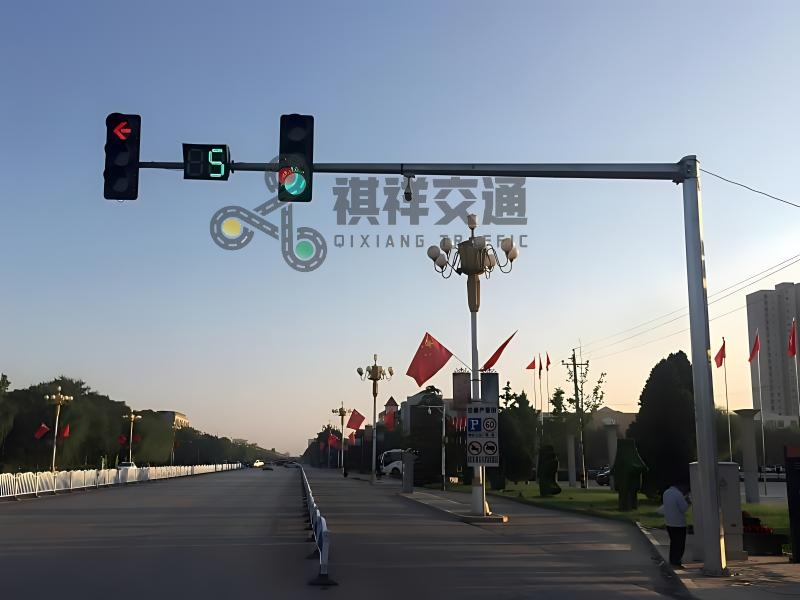
When module replacement is the right call. Module-level replacement is generally appropriate when the failure is isolated to the light source and the surrounding head remains sound. Typical indicators include individual LEDs or segments failing within one module, a driver failure causing flicker or dimming, color shift or reduced intensity confined to a single module, or physical damage to a single lens or visor. If the housing is intact, gaskets are sealing properly, hinges and latches operate correctly, and the remaining modules perform to specification, swapping the affected module is the most economical and least disruptive option.
When the entire head should be replaced. Head replacement becomes the better choice in several situations. First, when multiple modules in the same head have failed or are aging inconsistently, the cumulative cost and labor of piecemeal replacement may exceed a single head replacement. Second, when the housing shows corrosion, cracking, UV degradation, or water intrusion, module replacement alone will not restore reliability—moisture and corrosion will continue to damage new modules. Third, when gaskets, hinges, doors, or latches are worn or damaged, the head can no longer maintain its environmental seal. Fourth, when the existing head is obsolete, uses proprietary modules that are hard to source, or does not meet current standards for visibility, retroreflectivity, or physical size, replacement future-proofs the installation. Fifth, when the head has been involved in a collision, vandalism, or lightning damage that may have compromised structural integrity or wiring.
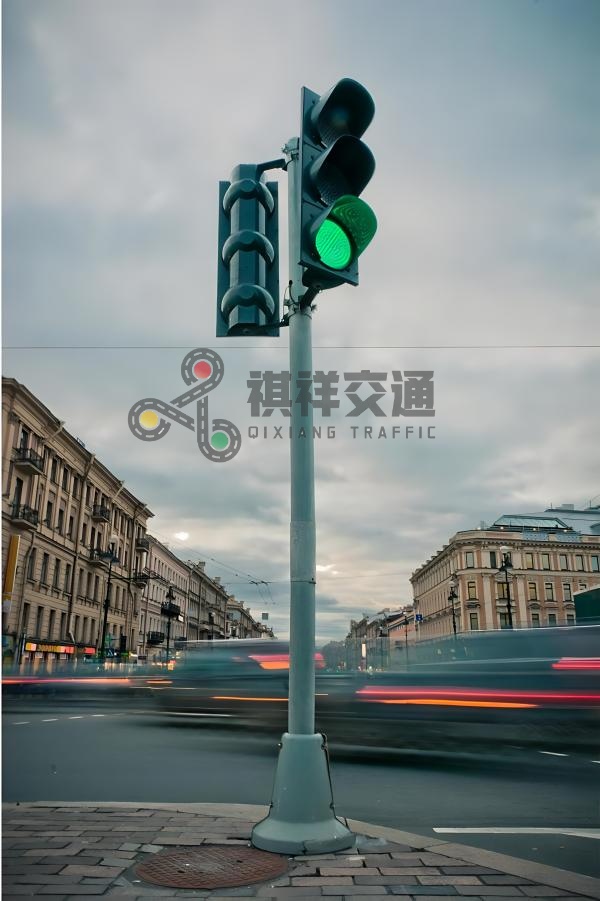
Age and fleet consistency. Fleets managed on a lifecycle basis often set replacement thresholds. If a head has exceeded its expected service life—commonly cited in the range of 10 to 15 years for LED signal heads, depending on environment and manufacturer guidance—and a failure occurs, replacing the whole head may be more cost-effective than extending the life of an aging housing. Consistency also matters: mixing old and new modules can produce noticeable color and brightness differences within a single display, which affects driver perception and can raise compliance concerns with visibility standards.
Diagnostics before deciding. A sound decision begins with diagnosis. Technicians should confirm whether the fault is in the module, the wiring, the controller output, or the power supply. A module that appears failed may simply be receiving inadequate voltage or a faulty signal. Verifying the root cause prevents unnecessary replacement and ensures the correct scope of work.
Cost and safety considerations. Module replacement is usually cheaper in parts and labor and can often be done without a bucket truck if the head is accessible, though most signal work requires proper traffic control and elevated access. Head replacement costs more but restores full environmental protection and resets the lifecycle clock. Safety should never be traded for savings: a head with a compromised seal or damaged housing can admit water, cause short circuits, and create failure modes that are difficult to predict.
A practical decision rule. A workable rule of thumb: replace the module when the fault is isolated, the housing and seal are sound, and the head is within its service life; replace the entire head when failures are multiple or recurring, the housing or sealing components are degraded, the head is obsolete or non-compliant, or the unit has suffered structural or electrical damage. Documenting each decision builds a maintenance history that supports future budgeting and fleet planning.
Conclusion
The choice between an LED module and a complete signal head is a lifecycle decision, not merely a repair decision. By diagnosing root causes, assessing housing condition and fleet age, and weighing cost against reliability, agencies can replace the right component at the right time—keeping signals visible, reliable, and cost-effective over the long run.
Post time: Nov-26-2026


