
1. Weather-Resistant Housing Protects Internal Components
The housing is the first line of protection for a traffic signal head.
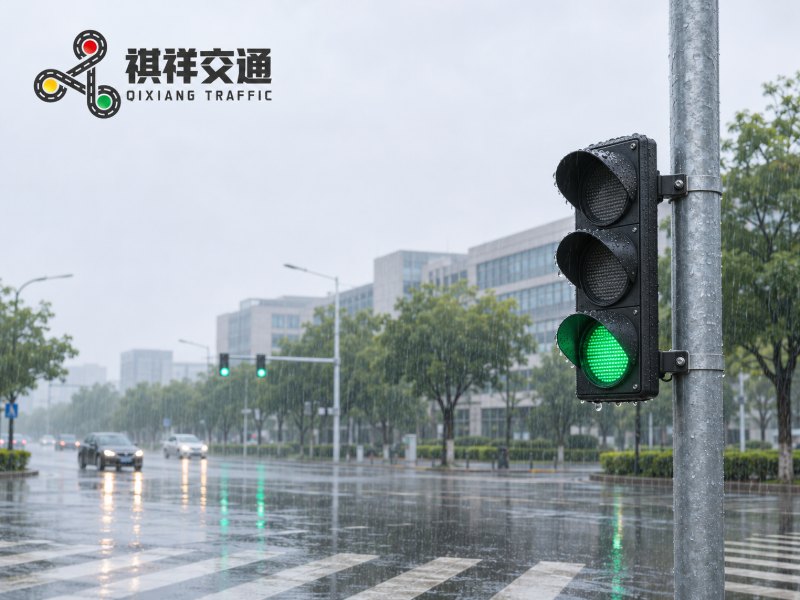
During outdoor operation, the product is continuously exposed to rainwater, airborne dust, humidity, and temperature changes. If the housing cannot withstand these conditions, moisture and contaminants may enter the internal structure and affect electrical components.
A suitable outdoor traffic signal head should have a housing designed for its intended installation environment.
Important considerations include:
Mechanical strength: The housing should withstand normal outdoor handling, installation, and environmental stresses without easily cracking or deforming.
Environmental sealing: The enclosure should have appropriate protection against water and dust intrusion.
Material stability: Housing materials should maintain their structural properties under prolonged outdoor exposure.
Connection protection: Cable entries, joints, and access covers should be properly designed to reduce potential water penetration.
For projects in areas with frequent rainfall, high humidity, or airborne dust, buyers should pay particular attention to the enclosure protection rating and supporting test documentation.
A well-designed housing helps protect the internal electronics and provides a stable foundation for long-term operation.
2. Effective Heat Dissipation Supports LED Longevity
LED technology is widely used in modern traffic signal heads because of its energy efficiency and long operating life.
However, LEDs and their associated electronic components still generate heat during operation.
If heat cannot be managed effectively, excessive operating temperatures may accelerate component aging, affect electrical performance, and reduce product reliability.
Several design factors influence thermal performance:
LED module arrangement.
Internal component layout.
Housing material and heat transfer characteristics.
Power supply efficiency.
Ventilation or other thermal management design, where applicable.
Operating ambient temperature.
A well-designed traffic signal head should maintain suitable operating temperatures under its specified working conditions.
This is particularly important in hot climates, where equipment may be exposed to high ambient temperatures and direct sunlight for extended periods.
Buyers should therefore look beyond LED wattage and brightness when comparing products. Thermal performance and the operating temperature range are also important technical specifications.
3. Stable Electrical Components Support Continuous Operation
A traffic head is not just an optical device. Its internal electrical system also determines whether it can operate reliably over an extended period.
Important electrical components include LED modules, power supplies, circuit boards, wiring, and connectors.
These components should be selected according to the intended operating conditions and electrical specifications.
A suitable electrical design should consider:
Voltage stability: The power supply should operate within the specified input voltage range.
Electrical protection: Appropriate protection against overcurrent, short circuits, and other relevant electrical faults should be incorporated according to the product design.
Component quality: Electronic components should have suitable temperature ratings and reliability characteristics.
Connection reliability: Internal wiring and connectors should provide secure electrical connections during normal operation.
Electrical compatibility: The traffic head should match the power supply and control requirements of the intended traffic control system.
In locations where electrical fluctuations or lightning-related surges are concerns, project designers should also evaluate suitable surge protection measures.
Reliable electrical design helps reduce unexpected interruptions and supports consistent signal operation.
4. Easy Maintenance Helps Reduce Long-Term Operating Costs
Long-term outdoor operation does not mean that traffic signal heads will never require inspection or maintenance.
Even well-designed equipment may eventually need cleaning, component replacement, or electrical inspection.
A product that is difficult to access or maintain can increase the time and cost associated with routine servicing.
When selecting traffic signal heads, buyers should also consider:
Whether the front cover can be accessed conveniently.
Whether internal components can be inspected without unnecessary disassembly.
Whether LED modules or other replaceable components are available.
Whether wiring connections are clearly arranged.
Whether spare parts can be supplied over the expected maintenance period.
Modular construction can be particularly useful because it may simplify component replacement without requiring the entire signal head to be discarded.
For municipalities and contractors managing multiple intersections, maintainability is an important part of evaluating the total cost of ownership.
What Should Buyers Check Before Ordering?
For contractors, distributors, and traffic engineering project buyers, requesting detailed product information before placing an order can help reduce selection risks.
The following information is particularly useful:
1. Housing material: Confirm the material type and its suitability for outdoor use.
2. Protection rating: Request the applicable IP rating and supporting test documentation.
3. Operating temperature: Check the specified minimum and maximum operating temperatures.
4. Optical specifications: Review LED configuration, luminous performance, and signal color requirements.
5. Electrical parameters: Confirm input voltage, power consumption, and relevant protection features.
6. Mechanical design: Check mounting compatibility, dimensions, and structural details.
7. Environmental testing: Request relevant information about temperature, humidity, vibration, and other applicable tests.
8. Warranty and spare parts: Understand the warranty conditions, replacement component availability, and after-sales support.
It is also advisable to confirm whether the product meets the standards required by the destination market and project specifications.
A traffic signal head supplier that can provide clear technical documentation makes it easier for buyers to evaluate product suitability before installation.
Post time: Nov-19-2026


