
Road traffic signages are traffic facilities that communicate traffic information through text, graphics, and symbols. Upon closer inspection, they have a long lifespan and usually need to be replaced only every five to ten years. As a result, people are curious about their price because their production costs are high. The pricing information for traffic signages is released today by Qixiang Sign Manufacturer.
I. Traffic Signage Prices Determined by Configuration
Prices for traffic signages are not fixed, according to Qixiang Sign Manufacturer. Their configuration is what determines them. Because of their intricate structure, which includes aluminum plates, reflective film, posts, tracks, and clamps, traffic signages are custom-made goods. If building is necessary, the cost of building must be covered as well. The size of the foundation and the extent of the project determine the construction cost. Thus, the cost of traffic signages is influenced by numerous factors.
II. Aluminum Plate Prices for traffic signages
Qixiang Sign Manufacturer discloses the cost of aluminum traffic signage plates: Aluminum plate unit price = Aluminum ingot price + Processing fee.
Aluminum ingot price: The opening price on the Yangtze River Nonferrous Metals Exchange is released at 9:00 AM daily. Some manufacturers use the spot price of the day, while others use the average price of the day plus the prices of the two days before and after (5 days total).
Processing fee: The price varies depending on the specifications, grade, and thickness of the aluminum sheet. Typically, the processing fee for the aluminum sheet we use is around 1600-2500 yuan/ton.
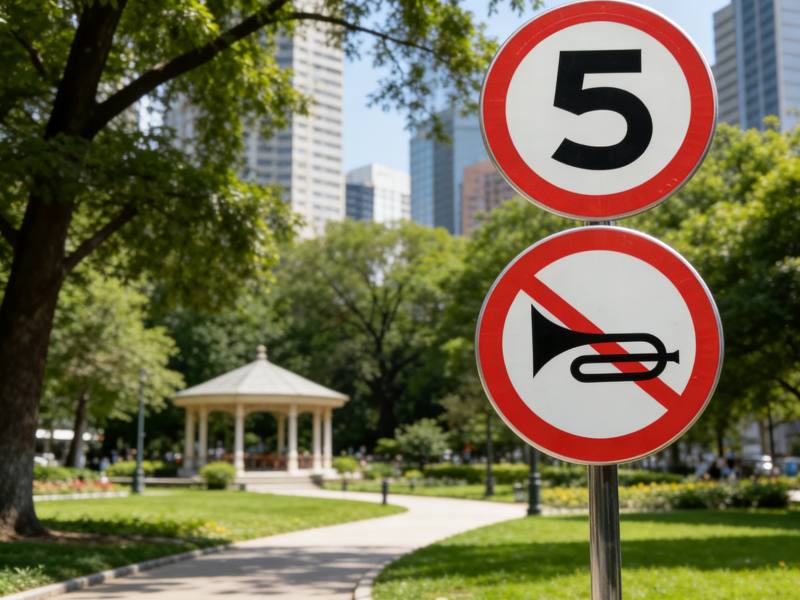
III. Price of Reflective Film for traffic signages
Reflective film is divided into different grades, each with a different price. Higher grades, longer lifespans, and higher quality result in higher prices.
Class I: Lens-embedded glass bead structure, called engineering-grade reflective film, with a lifespan of generally 7 years.
Class II: Usually lens-embedded glass bead structure, called ultra-engineering-grade reflective film, with a lifespan of generally 10 years.
Class III: Usually sealed capsule-type glass bead structure, called high-intensity reflective film, with a lifespan of generally 10 years.
Class IV reflective film, typically with a microprism structure, is called ultra-high-intensity reflective film. Its lifespan is generally 10 years, and it can be used for permanent traffic signages, work area facilities, and delineators.
Class V reflective film, also typically with a microprism structure, is called diamond-grade reflective film. It has excellent wide-angle reflectivity and a lifespan of generally 10 years. It can also be used for permanent traffic signages, work area facilities, and delineators.
These are basically the factors affecting the price of traffic signages. Many customers often ask for a rough price, but we cannot directly give a price. As a sign manufacturer, we need to understand the customer’s specific needs first to provide a more accurate quote. This is responsible to both the customer and ourselves.
Qixiang traffic signs use high-strength aluminum plate as the base material, combined with engineering-grade reflective film. It does not fade under sun and rain and has clear and visible reflectivity at night. We support custom sizes, patterns, and text to meet the needs of diverse scenarios such as municipal roads, industrial parks, schools, and commercial areas. We have our own factory, ensuring excellent craftsmanship, stable delivery times, and affordable prices.
Post time: Jan-09-2026


