
As smart transportation systems continue to develop, traffic signal poles are increasingly expected to support more than signal lights. Cameras, radar sensors, and other intelligent traffic monitoring devices may be added as traffic management requirements change. Preparing for these upgrades during the initial design stage can help reduce future modification costs and improve installation efficiency.
For traffic signal pole manufacturers and infrastructure contractors, the key is to consider future equipment requirements before fabrication begins.
1. Reserve Suitable Mounting Positions
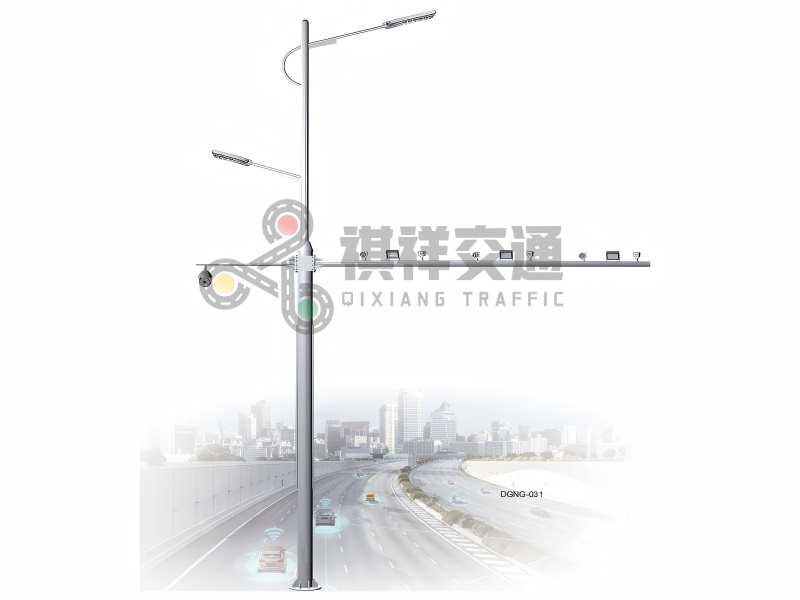
Camera and radar systems have different installation requirements. Cameras need an appropriate viewing angle, while radar sensors require a suitable detection direction and an unobstructed sensing area.
When designing a traffic signal pole, consider possible mounting positions on the vertical shaft or horizontal arm. Reserved mounting interfaces can make future equipment installation easier without requiring extensive structural modifications.
The mounting position should also account for traffic signal visibility, road clearance, nearby structures, and maintenance access.
2. Evaluate Structural Load Capacity
Future equipment adds weight and may increase the wind load acting on the pole. Even relatively small devices can affect the overall loading conditions when installed on a long cantilever arm.
Manufacturers should evaluate the anticipated equipment weight, mounting brackets, projected wind area, and installation height. The pole, arm, connections, and foundation should be checked against the applicable project design criteria.
Planning for additional equipment does not simply mean choosing a thicker steel pole. The complete structure must be assessed to ensure that the proposed configuration is suitable for the expected loads.
3. Plan Cable Routes and Power Supply
Installing cameras or radar sensors later can become complicated if the pole has no suitable cable pathways or connection points.
During initial production, consider reserving internal cable routes, protected outlet openings, and accessible connection locations. Allow sufficient space for power cables, communication wiring, and any additional connections required by the selected equipment.
The power supply and communication interface should also be reviewed with the equipment supplier. Different devices may require different voltage levels, network connections, or transmission methods.
All unused openings should be appropriately sealed, and cable provisions should be protected against moisture and corrosion.
4. Protect Grounding and Surge Protection Arrangements
Outdoor electronic devices can be exposed to lightning-related surges and electrical disturbances. The pole design should therefore accommodate the grounding, bonding, and surge protection measures required by the project.
These arrangements should be coordinated with the electrical system and local regulations. Adding a camera or radar sensor later should not require improvised grounding connections or unapproved changes to the existing electrical installation.
5. Make Future Maintenance Easier
Reserved mounting points are useful only when technicians can access them safely. Consider how equipment will be installed, inspected, adjusted, and replaced during the pole’s service life.
Provide suitable access provisions, clear equipment identification, and updated drawings showing reserved interfaces and cable routes. Modular brackets may also simplify replacement when different camera or radar models are introduced.
Before manufacturing, document which provisions are included and which will require additional engineering approval.
Conclusion
Preparing traffic signal poles for future camera and radar installation requires coordination between structural design, electrical planning, equipment compatibility, and maintenance requirements. Early preparation can reduce costly retrofits and help infrastructure projects adapt to changing traffic management needs.
Qixiang provides traffic signal poles and customized solutions for different road infrastructure projects. By sharing your equipment requirements, pole drawings, and project specifications in advance, you can work with our team to develop a suitable pole configuration for future expansion.
Post time: Oct-22-2026


