
Internal cable routing is an important detail in traffic signal pole design. Although most cables remain hidden inside the pole, their arrangement directly affects installation efficiency, electrical safety, weather resistance, and future maintenance. Poorly planned routing can lead to damaged insulation, difficult cable replacement, moisture-related problems, and unnecessary maintenance costs.
For traffic signal manufacturers, contractors, and infrastructure project buyers, cable routing should be considered before pole fabrication begins rather than treated as an installation detail at the last minute.
In this guide, Qixiang explains the main factors to consider when planning internal cable routing in traffic signal poles, from cable entry points to maintenance access and future equipment expansion.
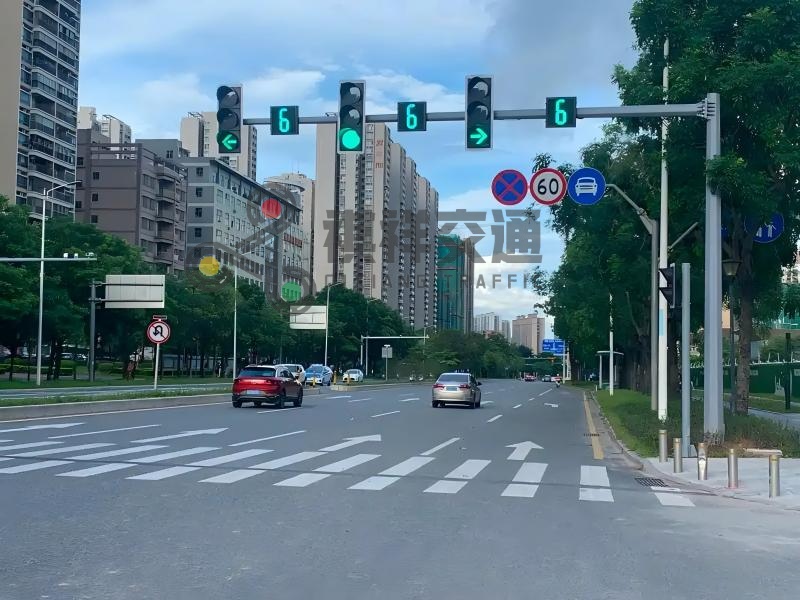
1. Start with a Complete Equipment and Cable Layout
Before deciding how cables will pass through a pole, identify every device that needs an electrical or communication connection.
A typical traffic signal installation may include vehicle signal heads, pedestrian signals, countdown displays, cameras, detection devices, and other roadside equipment. Each device may require different cables, connection points, or installation arrangements.
Create a preliminary cable schedule that identifies:
The equipment installed on the vertical pole and horizontal arm.
The number and type of power and signal cables.
The location of junction boxes, terminal blocks, and access openings.
The cable route from the pole base to each device.
Any reserved capacity for future equipment.
This information provides a practical basis for determining the internal space required for cable routing.
For cantilever and multi-arm traffic signal poles, pay particular attention to the transition between the vertical shaft and the horizontal arm. Several cable routes may converge at this point, making it important to coordinate internal passages and connection locations with the structural design.
2. Design Cable Entry and Exit Points Carefully
Cable entry points should be determined according to the actual installation method and the surrounding infrastructure.
In many installations, incoming cables enter through a conduit beneath the pole foundation and continue upward inside the pole. Other projects may require different entry arrangements based on the foundation, underground duct system, or equipment configuration.
When planning these openings, consider the following factors:
Base entry: Provide sufficient space for incoming cables, conduit connections, and cable pulling operations. The opening should be positioned to avoid unnecessary interference with anchor bolts, the base plate, and other structural components.
Arm connections: For cantilever poles, plan how cables will transition from the vertical shaft into the arm. Avoid sharp internal edges, restrictive openings, and routing paths that make cable installation unnecessarily difficult.
Equipment outlets: Position cable outlets close to the relevant mounting locations while allowing enough room for connectors and installation tools.
Environmental protection: Use suitable glands, grommets, conduit fittings, or other sealing components where required by the design. Openings should not become unintended paths for rainwater or debris.
The location and size of each opening should be coordinated with the pole manufacturer and structural design. Unapproved drilling or cutting after fabrication can compromise protective coatings and structural integrity.
3. Separate Power and Communication Cables Where Necessary
Modern intersections may combine signal power, control wiring, communication cables, and connections for monitoring equipment within the same pole.
These cable types should not automatically be bundled together. Depending on the electrical system, voltage levels, cable specifications, and applicable regulations, separation may be necessary to reduce electrical interference and simplify maintenance.
A practical routing plan should identify dedicated pathways or compartments where required. If physical separation is not feasible, use an approved arrangement that provides appropriate segregation and protection.
The design should also address grounding and bonding requirements for metal poles and associated electrical equipment. These arrangements must follow the project specifications and applicable electrical standards.
Clearly distinguishing cable groups during the planning stage helps installation teams identify the correct connections and reduces the likelihood of wiring errors during commissioning.
4. Allow Enough Space for Cable Pulling and Replacement
A pole may have sufficient internal space to accommodate the initial cables but still be difficult to maintain if the routing is too crowded.
Cable capacity should therefore be evaluated in terms of both physical space and installation access.
Consider these points when reviewing the design:
Cable fill: Check the available internal area against the cable quantity, outside diameters, conduit requirements, and applicable fill limits.
Bend radius: Follow the cable manufacturer’s minimum bending-radius requirements, especially where cables turn into horizontal arms or pass through internal openings.
Pulling distance: Evaluate the route for excessive friction, tight bends, and inaccessible transitions that could make installation or replacement difficult.
Working space: Ensure that technicians can access connection points and use suitable tools through the designated access openings.
Future capacity: Where project requirements justify it, reserve space or provide additional pathways for later equipment upgrades.
Avoid designing the internal cable route around the absolute minimum space available. A manageable routing arrangement can reduce installation time and make later repairs less disruptive.
Conclusion
Planning internal cable routing in traffic signal poles requires coordination between electrical requirements, mechanical design, environmental protection, and long-term maintenance needs. The objective is not simply to fit cables inside the pole, but to create a routing arrangement that can be installed safely, inspected conveniently, and adapted to the needs of the traffic signal system.
For project owners and contractors, discussing cable entry positions, internal passages, access doors, and equipment connections before production can help reduce installation difficulties and avoid unnecessary modifications.
As a traffic signal equipment manufacturer, Qixiang provides traffic signal poles and related equipment for different road infrastructure applications. By sharing your pole drawings, equipment configuration, cable requirements, and project specifications, you can work with our team to evaluate a suitable pole configuration for your application.
Post time: Oct-22-2026


