
When a municipality or contractor plans to upgrade a traffic signal head, one of the first practical questions to arise is deceptively simple: will the new signal head fit the existing mounting bracket? The answer is rarely a straightforward yes or no. It depends on a combination of dimensional standards, structural capacity, environmental exposure, and the specific hardware involved. Getting this question right at the planning stage can save significant time and cost, while getting it wrong can lead to field delays, safety hazards, and expensive rework.The role of standardization. In many jurisdictions, traffic signal heads and their mounting hardware are designed around established standards, such as those published by ITE (Institute of Transportation Engineers) and various national and state DOT specifications. These standards define mounting patterns, bolt circle diameters, and attachment point spacing. When both the existing bracket and the new signal head conform to the same standard, physical fit is usually achievable. However, standards vary between regions and eras, and older installations may predate current specifications or use proprietary hardware that does not match modern off-the-shelf signal heads.
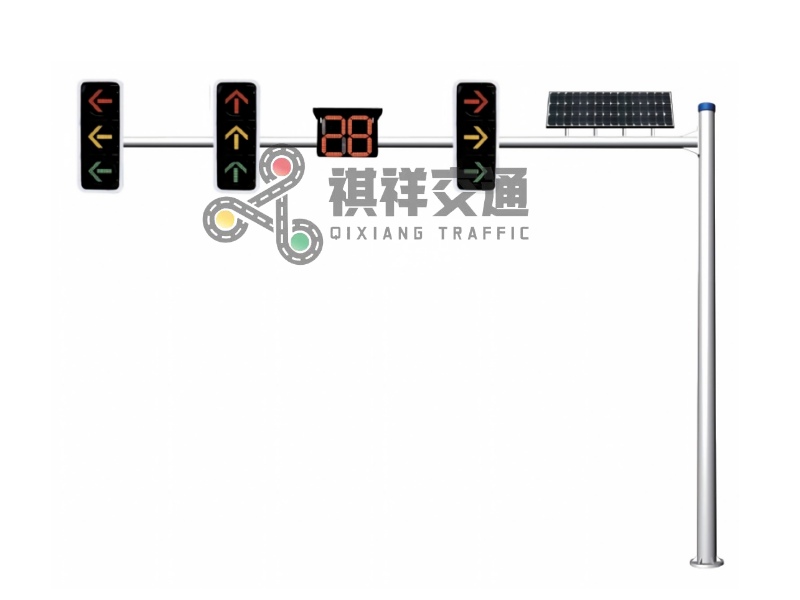
Key dimensional considerations. A proper fit assessment begins with the mounting interface. Technicians should verify the bolt pattern and spacing, the diameter and thread pitch of mounting bolts, the vertical and horizontal attachment points, and the clearance between the signal head housing and the bracket arms. Signal heads also differ in depth and width, which affects not only whether the unit physically attaches but also whether it maintains the required clearance from poles, wires, and other infrastructure. Backplate dimensions matter as well, since a larger backplate may interfere with the bracket or adjacent equipment.
Structural capacity and wind loading. Even when a new signal head bolts onto an existing bracket, the bracket must be able to carry the load. Modern signal heads may be lighter due to aluminum or polycarbonate housings, but larger configurations—such as four-section or five-section heads, or heads with backplates and visors—can increase the effective wind sail area. Engineers should confirm that the bracket, pole, and foundation were designed for the new load case, including wind loads specified by local codes. A bracket that physically accepts the head but is structurally marginal creates a long-term safety risk.
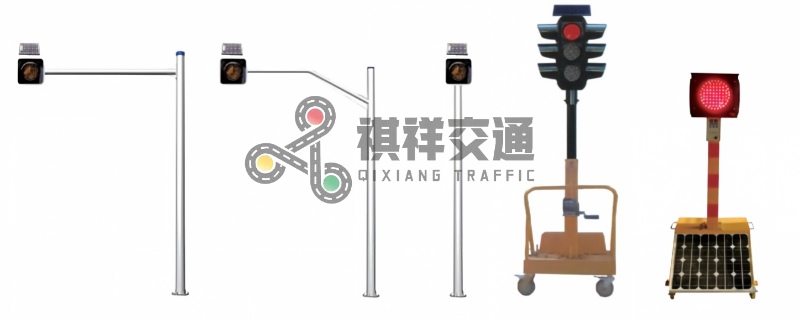
Environmental and electrical factors. Fit is not only mechanical. The new head must align with existing conduit entries, wiring access, and junction boxes. If the mounting bracket positions the head differently, wire lengths and drip loops may need adjustment. Corrosion resistance is another concern: dissimilar metals in contact can accelerate galvanic corrosion, so the bracket and head materials should be compatible or properly isolated. In coastal or high-pollution environments, this consideration becomes especially important.
Practical assessment process. A reliable approach includes four steps. First, obtain the signal head manufacturer‘s dimensional drawings for both the existing bracket and the proposed signal head. Second, conduct a site survey to confirm as-built conditions, since installed hardware often differs from original drawings. Third, perform a structural check against current load requirements. Fourth, where feasible, conduct a trial fit or use a mock-up before full deployment. Documenting these findings supports both engineering approval and future maintenance.
Conclusion
A new traffic signal head can often fit an existing mounting bracket, but fitness must be demonstrated rather than assumed. Dimensional compatibility, structural adequacy, environmental durability, and electrical integration all deserve verification. By treating the mounting bracket as an engineered interface rather than a simple attachment point, agencies can upgrade signals safely, efficiently, and with confidence.
Post time: Nov-26-2026


